Greek mythology is a classic topic. We’re used to hearing about the evil Poseidon, the perverted Zeus, and the lonely Hades, or watching movies that completely ignore the real origins of Homer’s monsters.
Disclaimer: Sensavite is where sexuality collides with mythology, psychology, history, and whatever other rabbit hole my ADHD brain decides to wander into next.
I’m not a psychologist or a sexologist—I’m an engineering student who enjoys connecting ideas, reading way too much mythology, and occasionally overthinking everything. These articles are personal interpretations, not academic or clinical advice.
Let’s break down Odysseus’s monsters in canonical order, shall we?
Polyphemus: The Bad Airbnb Host
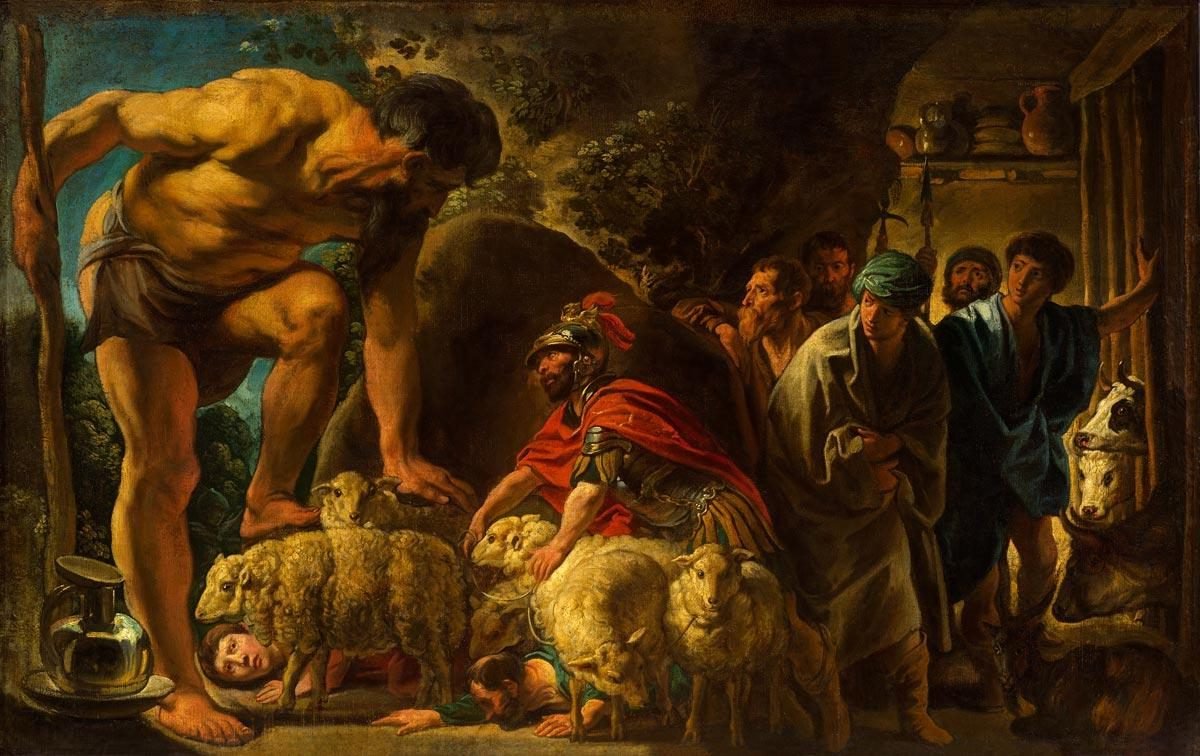
He was the smallest and dumbest of the cyclopes, a son of Poseidon, and a truly horrendous host. Long story short: Odysseus saw smoke on an island and stopped by, hoping for some basic hospitality and food. Well, the evil Polyphemus was tired of eating cheese and mutton, so he took advantage of this fresh human buffet.
Odysseus in Polyphemus’s Cave, Jacob Jordaens, first half of the 17th century.
After the cyclops snacked on some raw crew members with a side of sheep cheese, the tricky Odysseus offered him some wine. Ancient Greek wine was way sweeter and thicker than what we drink today, sitting at around 20%-30% ABV. Imagine a giant cyclops passing out dead drunk after chugging a barrel of heavy, syrupy liquor.
Then, Odysseus’s compassionate crew of «Nobody» helped the cyclops get a bug out of his eye with a giant, sharpened wooden stake. Just guys being dudes, helping each other out with a new toy.
Origins of the Cyclops
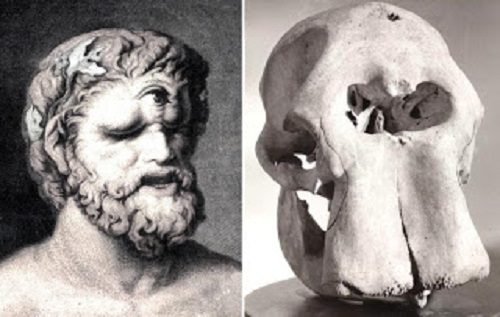
By the way, if you’ve got a screw loose and think you want to try out a cyclops, you should know the myth actually comes from ancient people finding mammoth skulls.
Polyphemus teaches us that sometimes the real monster isn’t strength—it’s believing the rules of hospitality don’t apply to you.
Circe: The Ultimate Domme
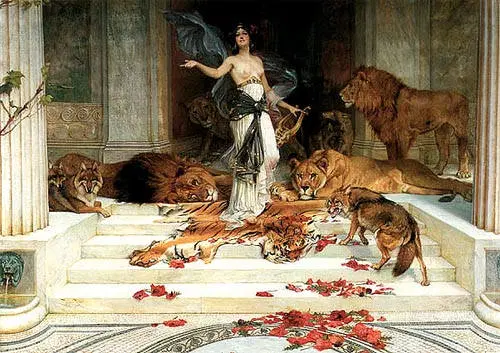
The absolute femme fatale. More than one sub would fall completely in love with her without her even needing to use magic. She is way more into treating you as her personal piggy and completely dominating you. A full Dom/Sub relationship.
Circe beasts
The nymph Circe used to keep men as prisoners, morphing them into pigs. But here is the twisted part: she didn’t eat them. She kept their human minds fully intact so they were completely aware of their humiliation while she treated them as livestock. Let’s just say that in Greek stories, a lot of men lost the battle simply because they were thinking with their dicks.
https://www.magnific.com/es/autor/freepik
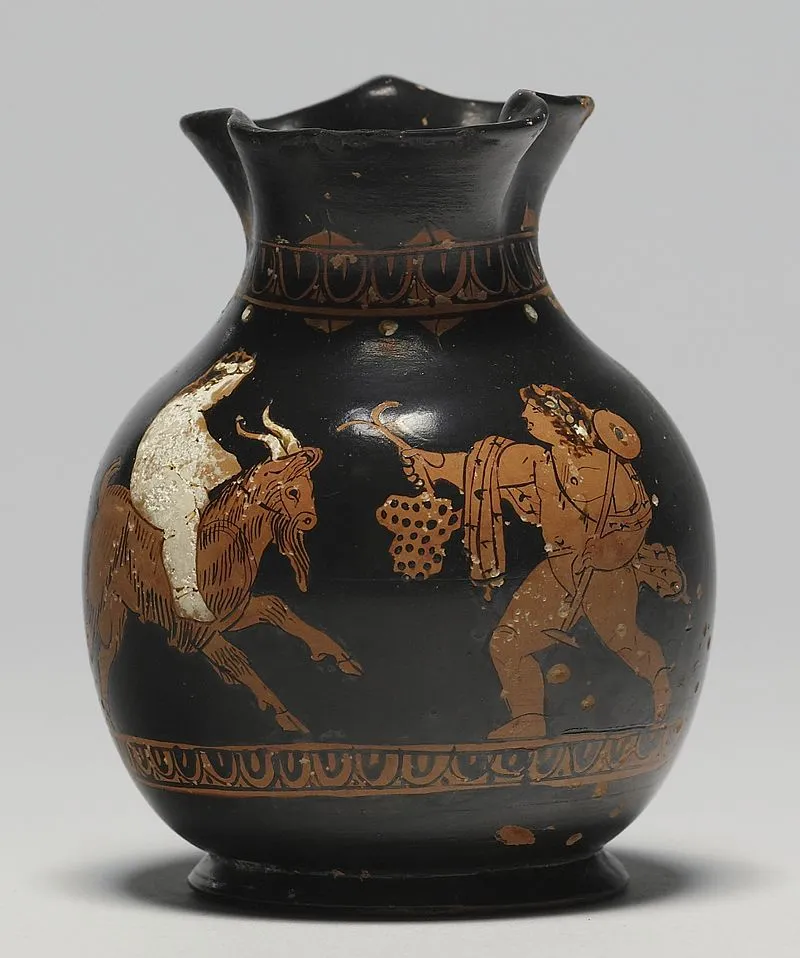
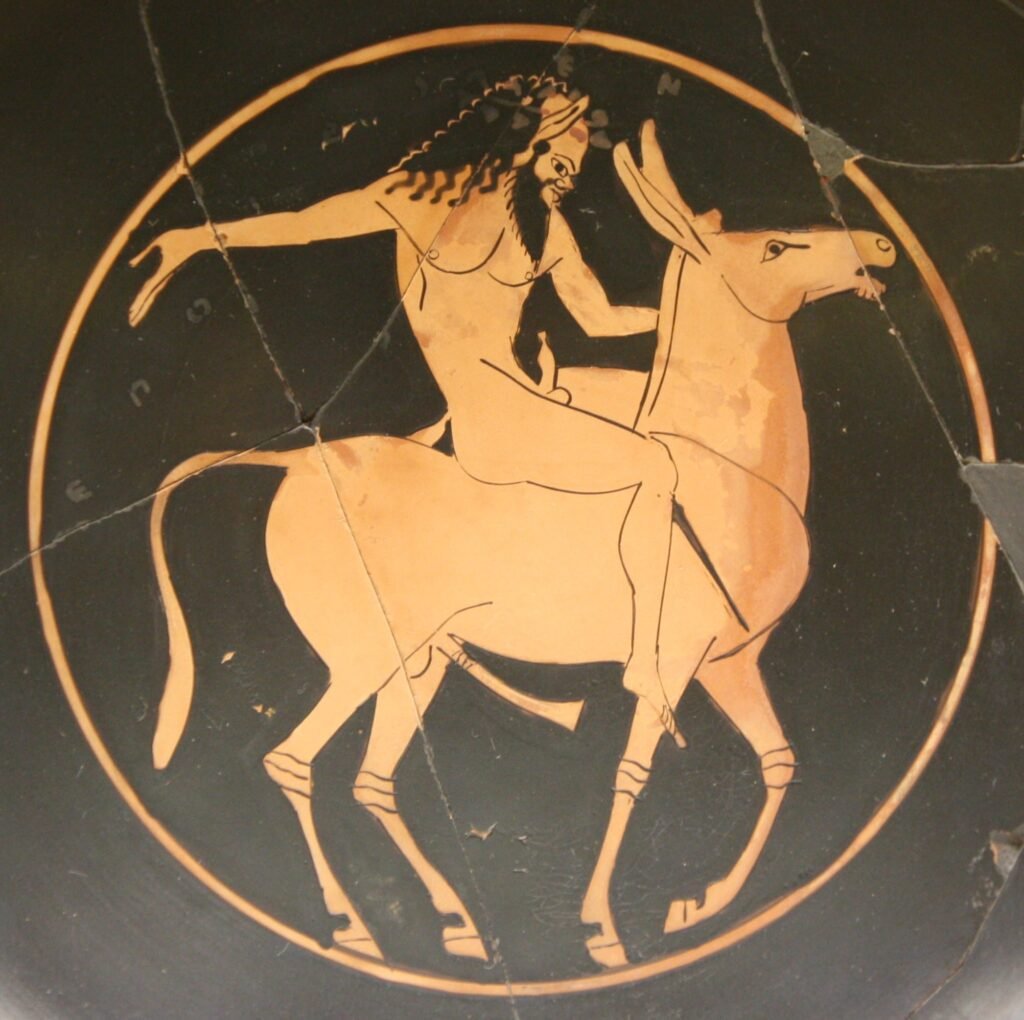
But look, many monsters in mythology are just women trying to survive. If we look at how women suffered in Ancient Greece, they were treated as objects, enduring constant abuse and stalking. Take the nymphs—they were relentlessly hunted by satyrs. You know that funny goat-guy from Narnia? In actual Greek mythology, he’d be a sick, predatory son of a bitch.
The gray area with Circe is that, like many Greek gods, she was more human than you’d think. And by human, I mean selfish and evil as f***. But remember: it all depends on who is telling the story, and back then, the winners writing the myths were always men.
Sirens: The Emotional Predators
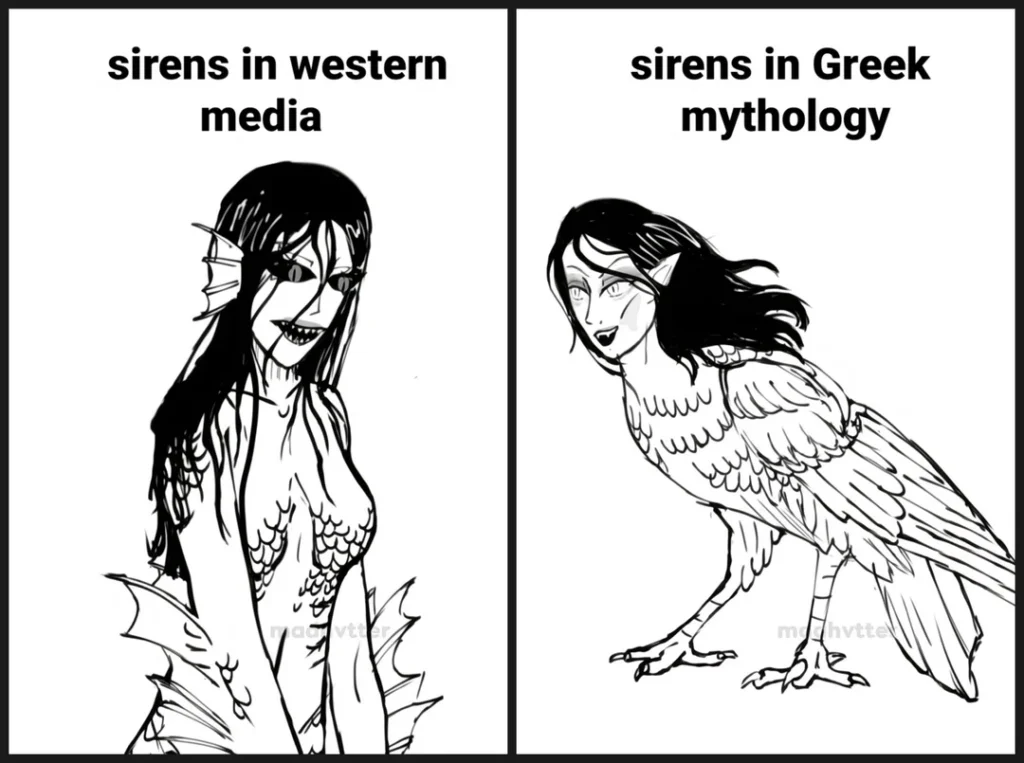
We always talk about how stunning the sirens were and how they tricked sailors to their deaths. But if you want to survive island-hopping in the ancient Mediterranean, you have to be smarter than your predators.
The Sirens understood exactly how emotionally vulnerable sailors were. They knew precisely what to promise to make someone abandon reason.
They didn’t sell sex; they sold the fantasy of ultimate knowledge and understanding.
https://www.magnific.com/es/autor/rochakshukla
Odysseus, following the advice of his Domme, Circe, bypassed these monsters by plugging his crew’s ears with beeswax. But Odysseus himself? He endured the psychological torture, demanding to be tied to the mast. He didn’t do it ‘just for fun’—it was extreme edge play.
Everyone likes to think they’d give the Sirens a chance. That’s easy to say when you’re sitting safely on the couch. It’s like saying you’d enjoy being spanked—until twelve strangers volunteer to do it for reasons you definitely didn’t consent to.
Scylla : The debt to pay
With Scylla, we can’t talk about mind games or seduction. Scylla is pure, unavoidable toxicity.
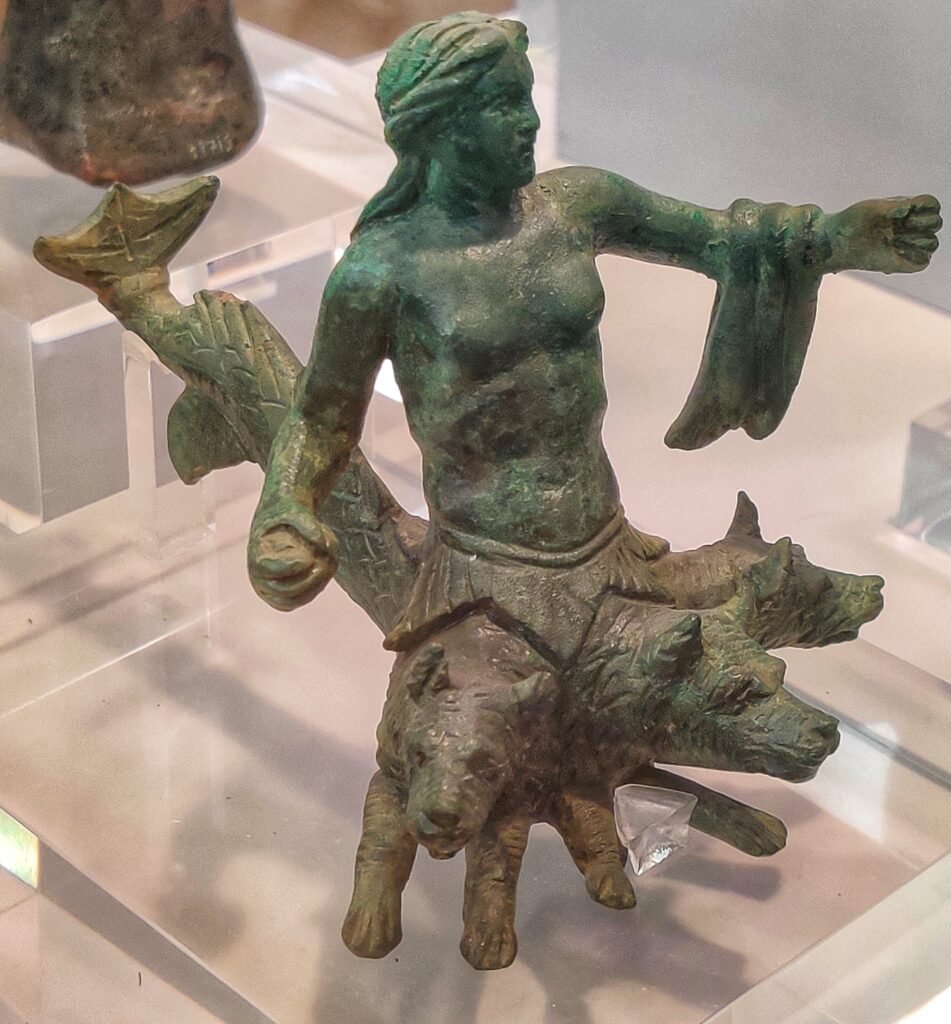
Before she was a monster, she was a beautiful nymph who got caught in a horrific love triangle. A sea god named Glaucus fell in love with her and went to our girl Circe for a love potion. But Circe was jealous, so instead of a love spell, she handed him a toxic brew and told him to pour it into the pond where Scylla used to bathe. Just like that, a beautiful nymph was mutated into a nightmare with 12 legs and 6 long necks, hiding in a dark cave.
https://ar.pinterest.com/pin/640637115779239331/
When Odysseus sailed past her, he couldn’t even see the monster in the dark. He couldn’t fight her, and he couldn’t outsmart her. He just had to pay the brutal toll: sacrificing six of his men just to survive the encounter and keep moving.
If we compare this toxic tale to real life, it hits incredibly close to home. A relationship is an investment. It costs you time, patience, and attention. But Scylla represents the darkest type of investment: paying someone else’s emotional debt.
Scylla is what happens when someone makes you pay for the pain that others caused them. She was ruined by Circe’s jealousy, but it was Odysseus’s crew who paid the price. How many times have we stayed in toxic relationships, losing our most valuable assets—our time, our energy, our hope—just because our partner is punishing us for the trauma their ex gave them?
https://www.magnific.com/es/autor/wirestock
You can’t fight a Scylla. If you want to advance on your path in life, sometimes you just have to accept the losses, survive the dark cave, and get the hell out of there .
Charybdis : Queen of Tides
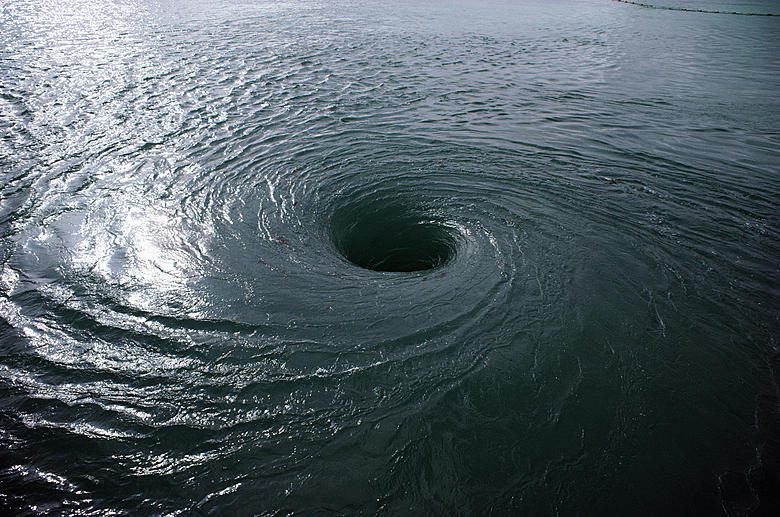
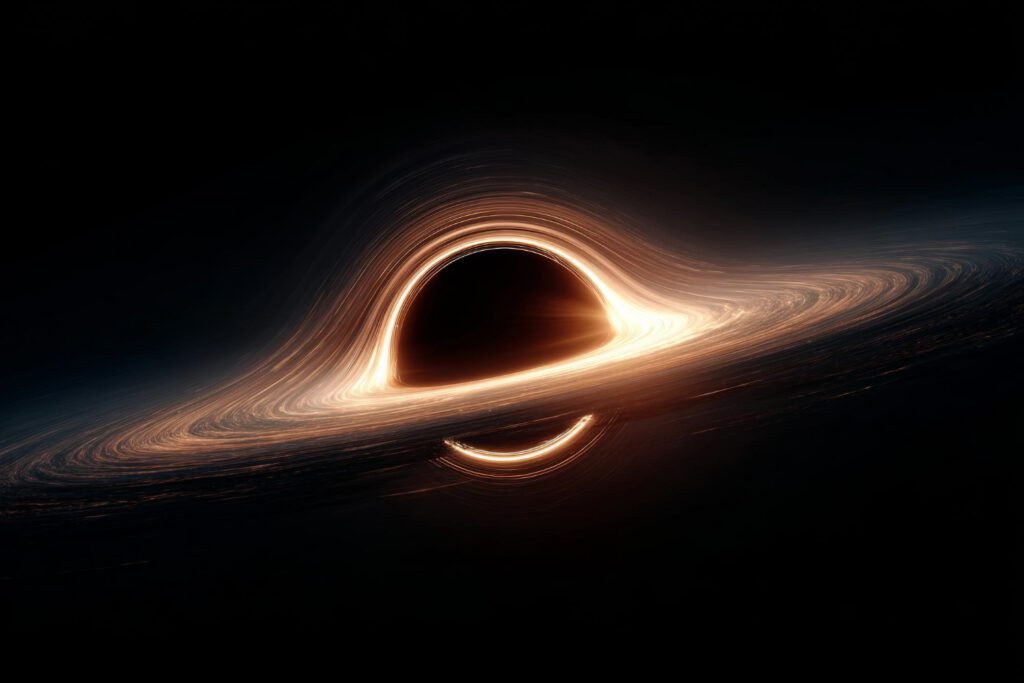
While Scylla was a poor girl harmed in an completely unjustified way—mutating her trauma into a sadistic defense mechanism—Charybdis is something else entirely. Charybdis represents the extreme high and low tides of your most unstable relationships. She is the absolute black hole of every emotional and physical concept.
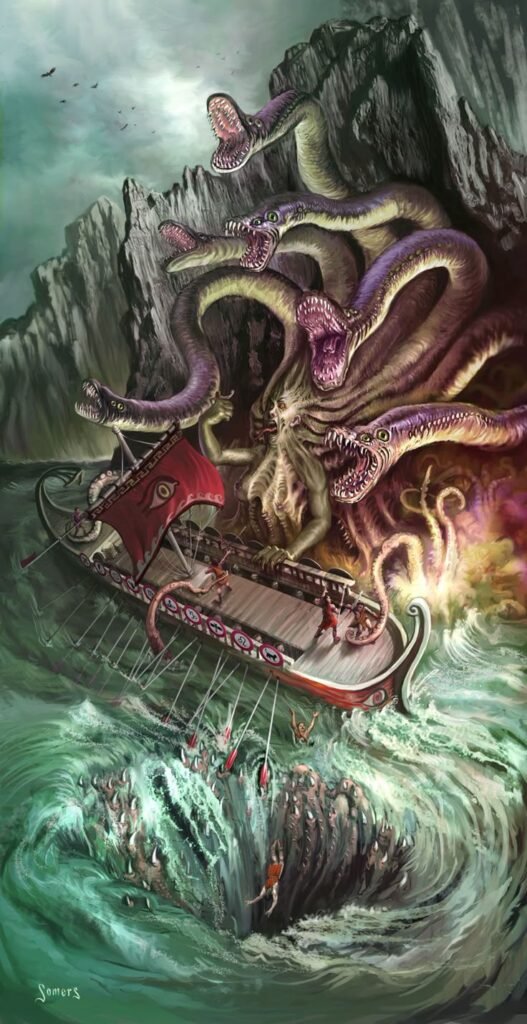
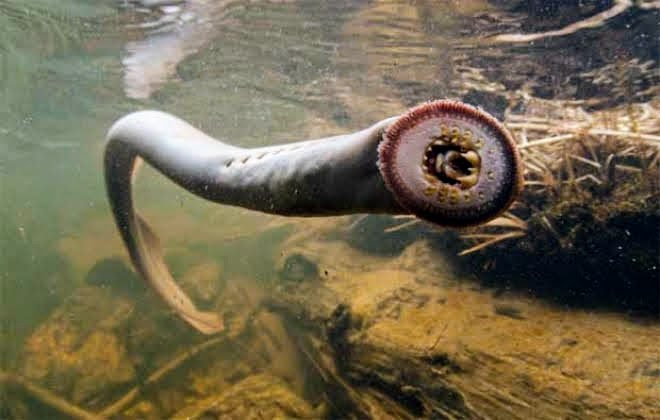
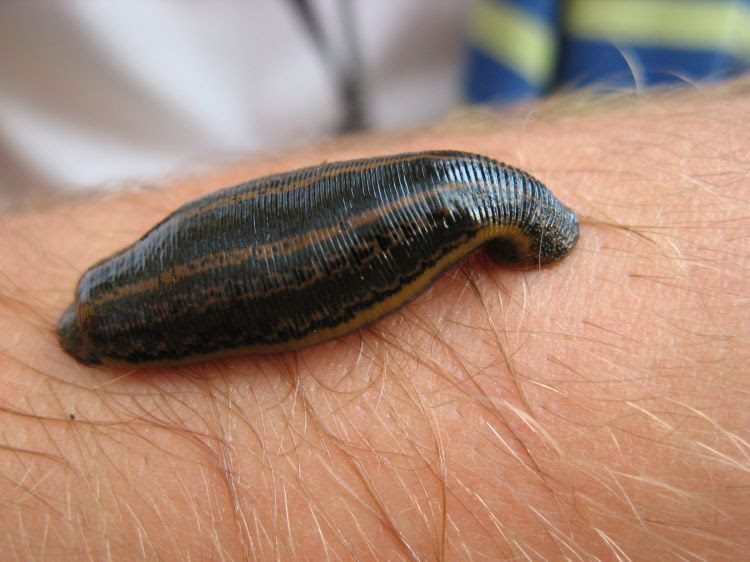
Picture a monster with the mouth of a giant lamprey—an endless, terrifying void of teeth. Her only job is to swallow the ocean whole, dragging the tide down into the abyss, and then forcefully puke it all back up. She is the ultimate, violent roller coaster for sailors. But don’t forget the golden rule of the Odyssey: no one survives a direct hit from Charybdis.
She is gluttony made flesh. Born as the daughter of Poseidon and the earth titan Gaia, she had a bottomless appetite. After she greedily devoured the sacred cattle of Heracles, Zeus punished her by blasting her with a thunderbolt and cursing her to live underwater as an endless, starving vortex.
If you translate this to real life, Charybdis is the partner who completely consumes you. It’s the relationship with extreme, exhausting tides. One moment you are riding the high, and the next, you are being sucked into a void of their insecurities and demands.
https://www.magnific.com/es/autor/kues1
She is the emotional vacuum—the person who needs all your time, all your energy, and all your soul to fill their own emptiness. And just like the monster, no matter how much you pour into them, they will just spit you out in pieces when they are done.
The Gluttony isn’t just about food; it’s the toxic dissatisfaction of having everything.
Some people don’t hurt you because they’re evil. They hurt you because no amount of love is ever enough to fill a bottomless hole.
Calypso : Lack of self-love
Loneliness is incredibly confusing, and it can make you do deeply toxic things. Let’s get some context: after the Titanomachy (the great war of the gods), Zeus exiled the nymph Calypso to a hidden, remote island. But he didn’t just lock her away; he cursed her to fall desperately in love with the mortal guests who washed ashore on her beach.
Despite keeping Odysseus as a hostage, Calypso wasn’t a «bad person» by definition. In fact, her trauma and her desperate need for connection made her more human than most of the mortal heroes in the myth.
She wanted to give Odysseus absolutely everything she had. The goddess offered him a literal paradise with zero inconveniences, amazing food, and even the ultimate gift: immortality. She supplied him with every single basic need that humans had back then (and still crave today).
https://www.magnific.com/es/autor/tawatchai07
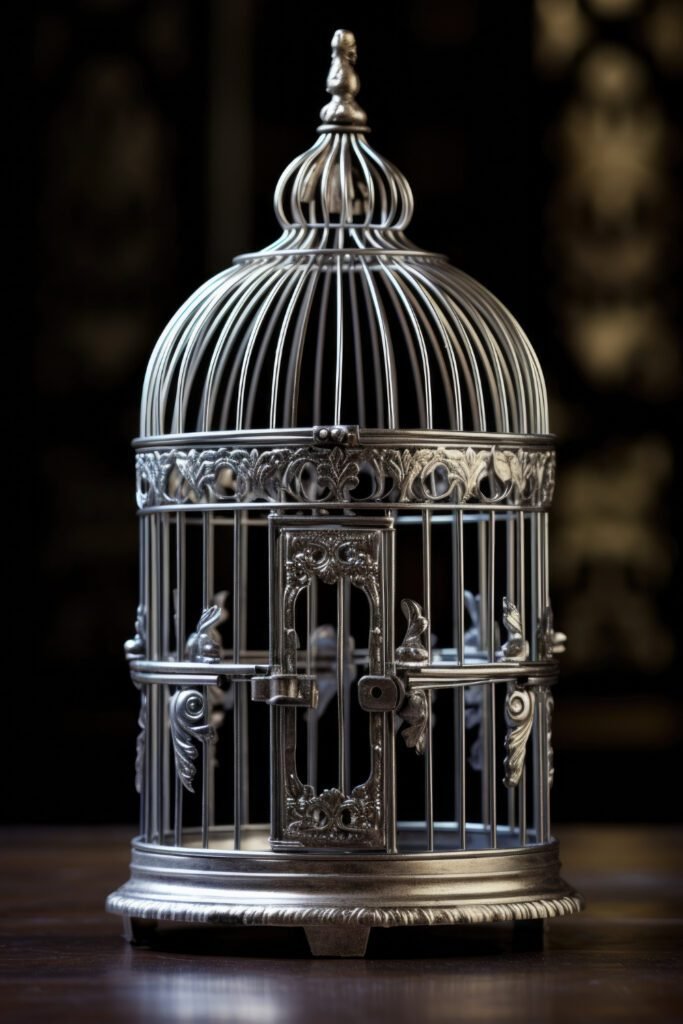
Built the perfect golden cage. But a cage is still a cage. Odysseus was trapped there for seven long years. He spent his days crying on the beach, looking out at the sea, enduring a total of 20 years without hearing his wife’s voice or knowing anything about his family, all because a desperately lonely goddess couldn’t bear the thought of being by herself again.
https://www.magnific.com/es/autor/freepik
Calypso is perhaps the most difficult character to understand because the torture she suffered wasn’t physical. Zeus cursed her to inevitably fall in love with someone who could never truly love her back.
She couldn’t do anything to change that situation, and accepting that unrequited reality was simply too painful. You can blame her for keeping a hostage, sure, but the true villain here is the nature of her punishment. Jailing an immortal entity on a secret island and condemning her to absolute loneliness is pure evil.
https://www.magnific.com/es/autor/freepik
The worst part isn’t just the isolation; it’s that without human connection, she cannot grow as a person. She can’t heal, she can’t do better, and she doesn’t have the support system she desperately needs. She is not dumb, and she isn’t naturally cruel. But when you finally realize that the Greek gods are just human extremes—our absolute worst flaws, traumas, and cruelties given infinite power—the whole myth becomes genuinely horrifying.
Pretenders: The Ultimate Parasites and Boundary Violators
But out of all the monsters in the Odyssey, these are, without a doubt, the absolute worst. And they don’t have six heads or magical powers—they’re just entitled men.
Imagine being Telemachus, Odysseus’s son. Your dad literally «went out for cigarettes» (well, to fight a war) and never came back after twenty years. You’re too young to rule Ithaca, and according to the twisted laws of the time, your mother is expected to marry whoever becomes the next king.
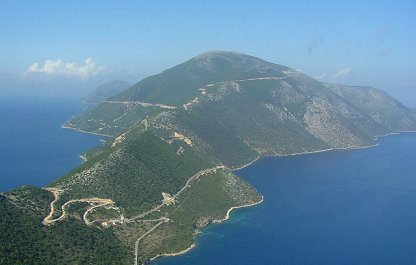
https://es.wikipedia.org/wiki/Ítaca
Enter the Pretenders (the Suitors). They are the real villains of this story—the true monsters. They don’t breathe fire or hide in dark caves. Instead, they invade your safe space. They move into your home uninvited, eat your food, drink your wine, and slowly destroy your life from the inside out.
They relentlessly harass Penelope, who is simply trying to survive, while abusing the servants and slaves. And being a slave in Ancient Greece was already miserable enough—imagine getting beaten by a bunch of entitled freeloaders living in your own house. As if that wasn’t enough, they even plot to murder both Telemachus and Odysseus just to seize the throne.
https://www.magnific.com/es/autor/kjpargeter
Unlike Scylla or Charybdis, the Pretenders aren’t monsters because of magic. They’re monsters because they believe everything belongs to them: your home, your time, your food, your family, and eventually, your life.
The real-life translation is surprisingly simple. The Pretenders are every person who mistakes access for entitlement. They’re the toxic orbiter who thinks your attention is a reward they deserve. Real parasites.
A «nice guy» who believes kindness should guarantee affec
The coworker who ignores your boundaries because they’re «just being friendly.»
The guest who overstays their welcome until your home no longer feels like yours.
But above all, the Pretenders teach us the oldest rule for spotting a monster: don’t look at how someone treats people they need—look at how they treat people who can’t fight back.
The Suitors didn’t reveal themselves by challenging heroes. They revealed themselves by bullying servants, threatening a young man, and cornering a woman who had nowhere to go.
https://www.magnific.com/es/autor/rawpixel-com
Sometimes the worst monsters aren’t hiding in caves or waiting beneath the sea. Sometimes they’re already sitting in your living room, drinking your wine, eating your food, and acting as if your kindness was an invitation.
The End …
After this long tale, this might be our least explicit post. However, you don’t have to be a quick thinker to notice that many of the atrocities Homer described are still painfully familiar today. Sexuality and psychology have always been close cousins, separated only by the labels we invent to make them easier to discuss.
When I first started writing this, I thought it would be just another post about Greek monsters. I didn’t expect to end up exploring the psychological patterns hidden beneath them. Strip away the gods, the magic, and the sea monsters, and what remains is surprisingly human: power, desire, trauma, manipulation, loneliness, and the endless struggle over boundaries and consent.
It is unsettling to realize that, nearly three thousand years later, we are still stumbling over the very same stones. Maybe that’s why these myths survived for so long. The monsters were never just creatures lurking beyond the horizon—they were reflections of the people telling the stories, and of the people still reading them today.