Here at Sensavite, we’re like magic genies—solving your questions and giving you solid knowledge.
What is a fetish?
When we think about fetishes, most people immediately picture scenes from Fifty Shades of Grey—the girl being spanked, dominated, or engaging in extreme practices (always dressed in latex clothes). But the real meaning of the word fetish has a very different origin.
The term fetish comes from the Portuguese word feitico, which referred to sacred or magical objects used by African tribes. The French later adapted it into fétiche (these French are always behind some of the rarer practices). Back then, it had absolutely nothing to do with sex.
One of the first psychologists to study sexual fetishes was Sigmund Freud. He suggested that being attracted to objects rather than people was linked to fears or anxieties from childhood, even associating it with what he called the “absence of the penis” in women. In simple terms, Freud believed fetishes were a psychological defense against anxiety.
But modern science sees things differently. Today, we know Freud’s theories (we simply don’t use psychoanalysis) were limited and overly focused on the phallus. Fetishes don’t come from fear, trauma, or deficiency—they’re simply part of the natural diversity of human sexuality. People can find certain objects, body parts, or situations exciting, and that’s perfectly normal.
So yes, fetishes exist, but they’re just another way humans experience desire. No shame—just curiosity.
Stranger Things?
Keep calm, we’re not talking about the Netflix series. Fetishes are just different ways people explore pleasure and reach the same goal. Why does being so naughty feel so good, while others prefer simpler things?
Well, as an amateur in the subject, here’s a simple way to understand it: think of fetishes like colors. We all have a favorite, and it’s not always the same as someone else’s—but we all know that movie legend who’s always chasing femme fatales in latex, dodging whips, and somehow obsessed with clowns. Fetishes work the same way—different things excite different people.
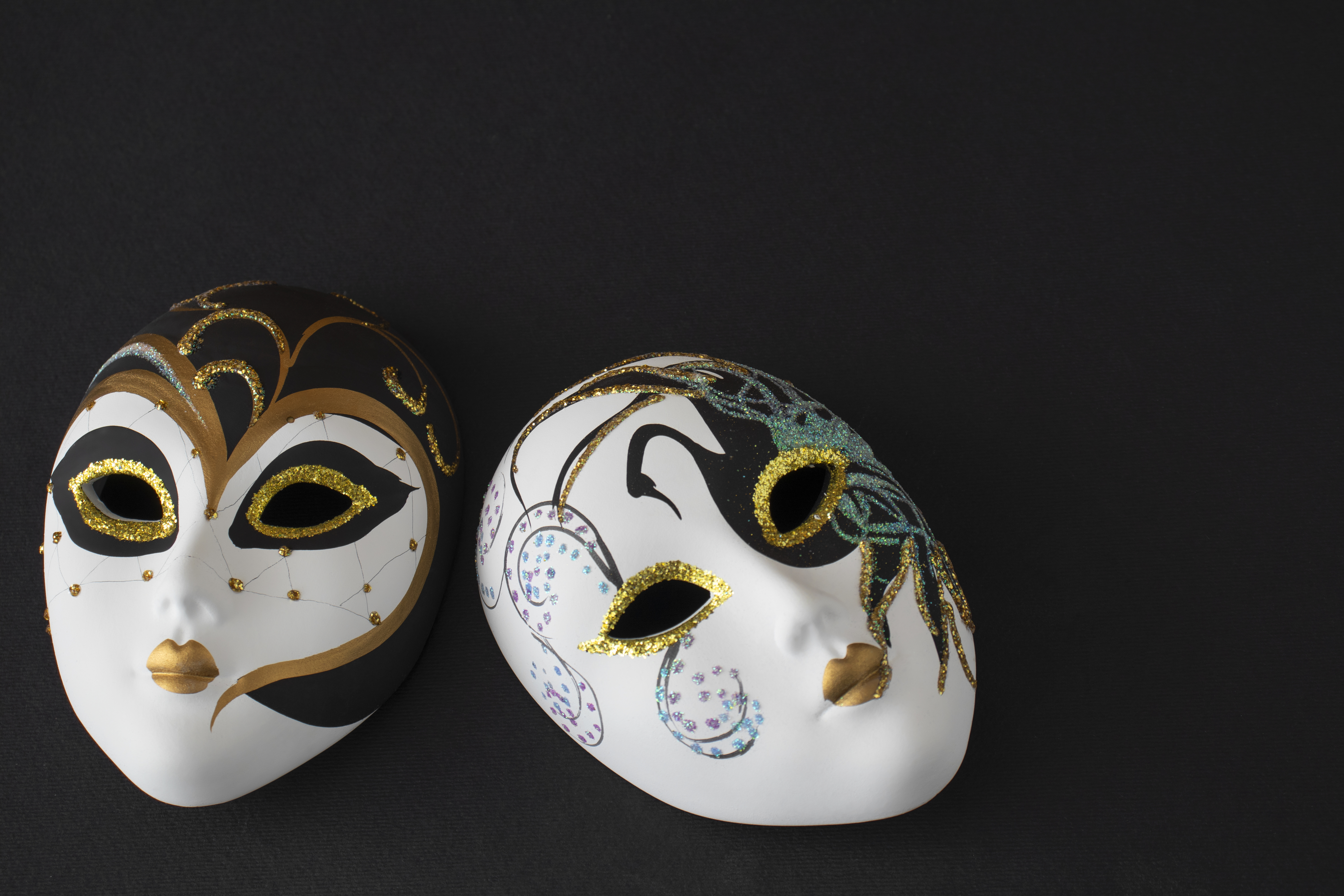
Some fetishes come from curiosity—people want to feel what a certain act is like. Others enjoy role-playing, stepping into positions or personas they wouldn’t normally experience. It’s like theater: in your fantasy, you can be anyone—from an innocent princess to an evil king. The world is your stage, and this is your story—you choose your mask.
And here’s the key (or two ,for fans of chastity): consent. Almost all fetish practices are safe and enjoyable because everyone involved agrees and sets boundaries. That’s what makes exploring fantasies fun instead of scary.
Some fetishes are dedicated to body parts or types of people. Being attracted to pierced people is just as valid as someone who likes feet or noses. Some girls prefer tall guys, while some guys are attracted to dominant women. Others may enjoy specific clothing, voices, or even behaviors—it all depends on what sparks desire.
Conclusion
The important thing to remember is that there’s no right or wrong when it comes to what excites you, as long as everything happens consensually and safely. Fetishes are just another way humans explore pleasure and creativity in their sexual lives.
Think of it as a spectrum of desire—everyone has their own shades and combinations. The key is communication, respect, and having fun while exploring. Remember, without variety we would all be the same person.
We’ll soon explore more about fetishes and how to embrace them safely and joyfully. Stay curious, stay respectful—stay spicy! 🌶️